Historical Materialism 2025: Comics Against Capitalism
As cultural form and narrative medium, comics are a consequence of capitalist relations. Splicing image and text together in newspapers and first circulating through the nineteenth-century metropolis, they emerge in historical lockstep with fossil empires and the concentration of wealth in core zones throughout the world-system. They are produced on Fordist assembly lines in the mid-twentieth century and register declining US imperial hegemony in the twenty first. Comics are intrinsically modern, and the modernity they refer to is a capitalist one.
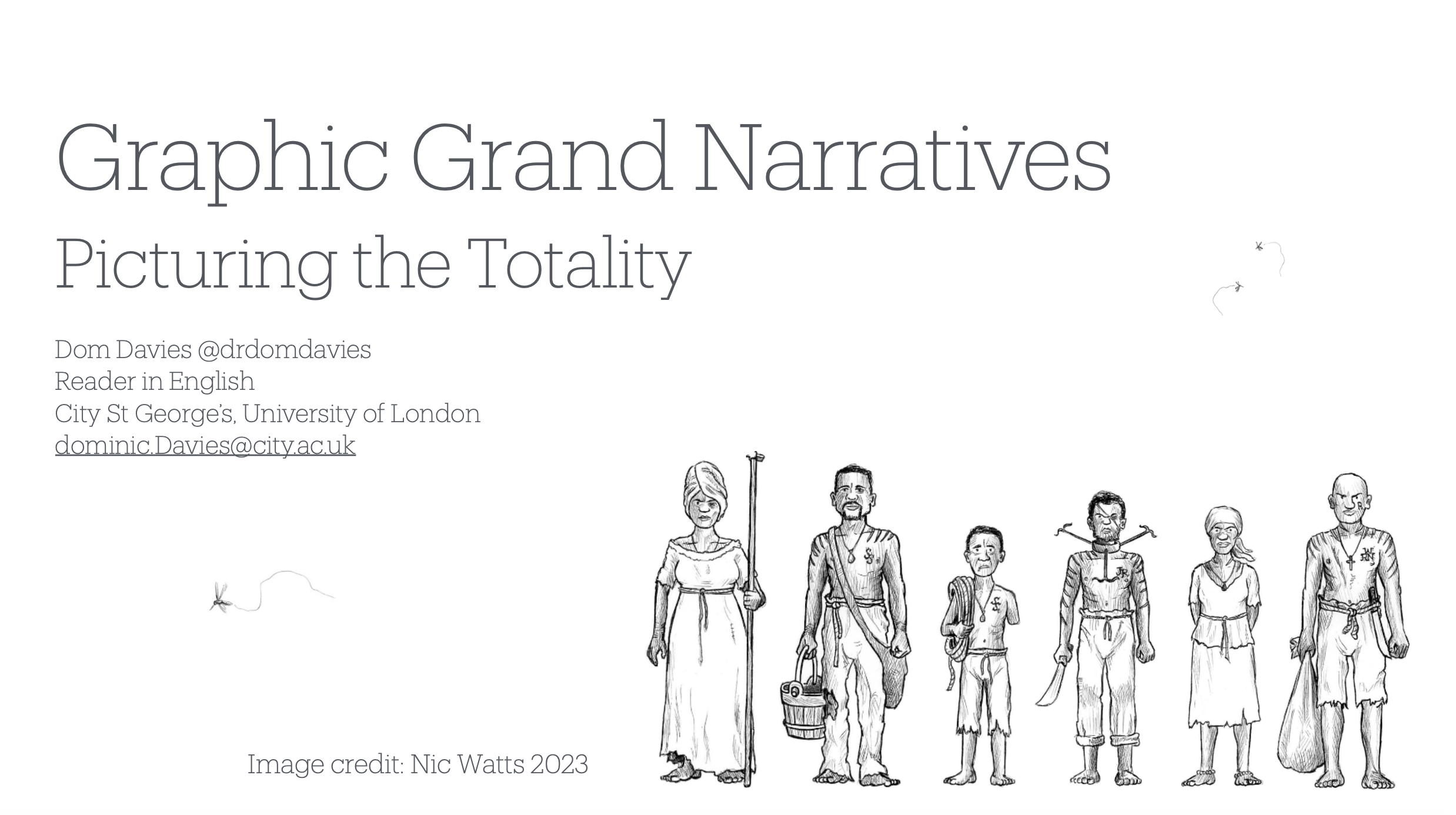
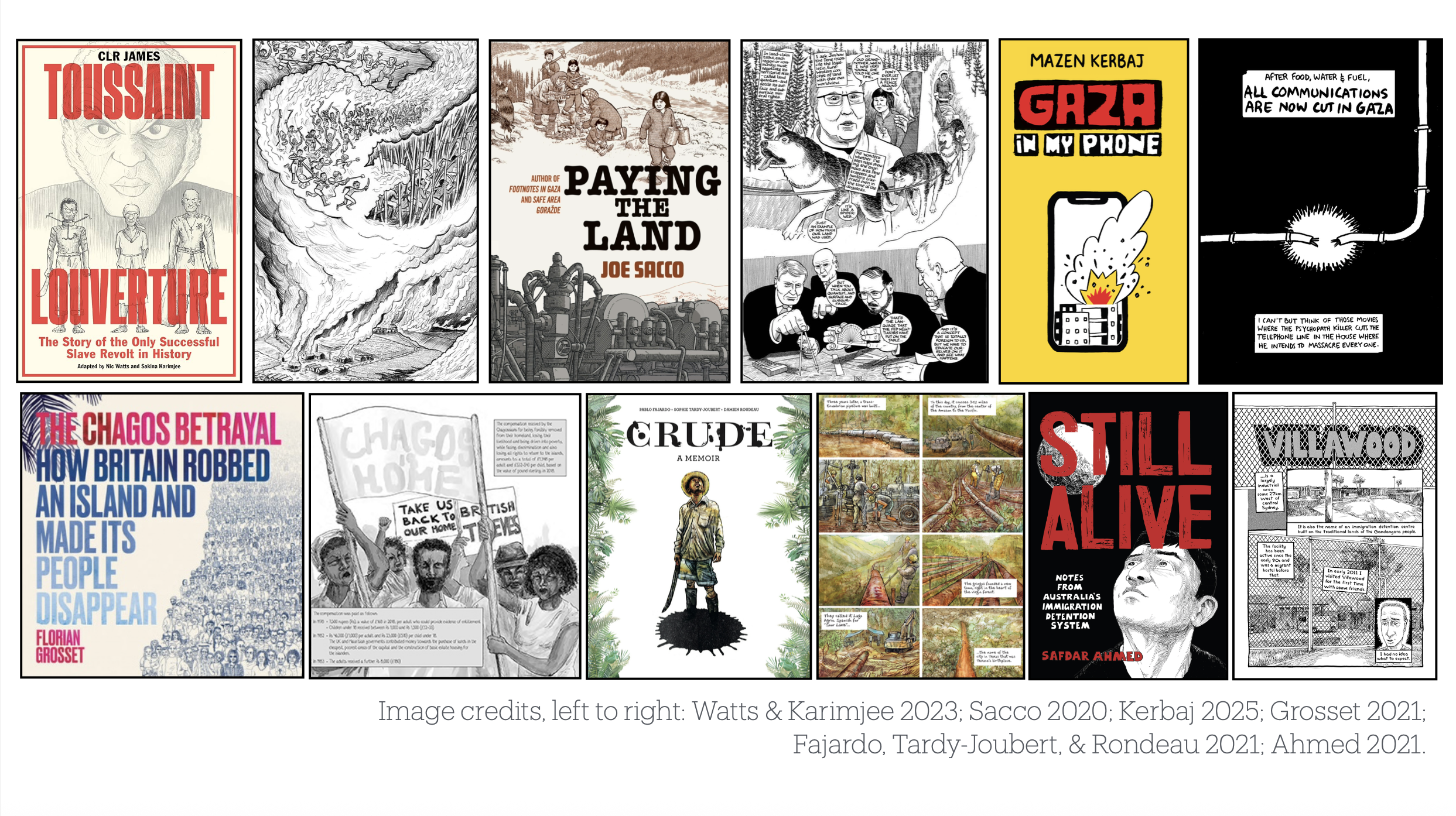
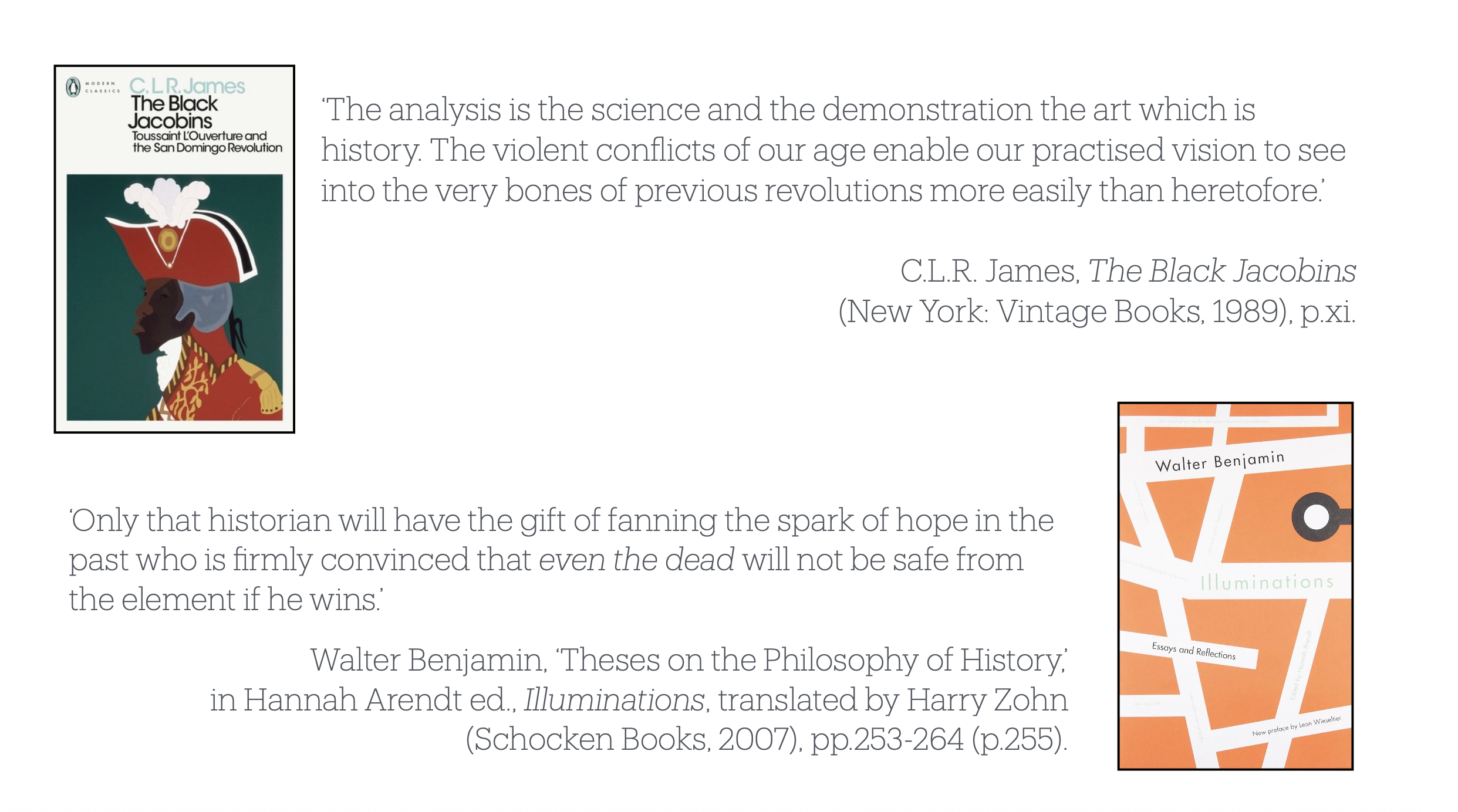
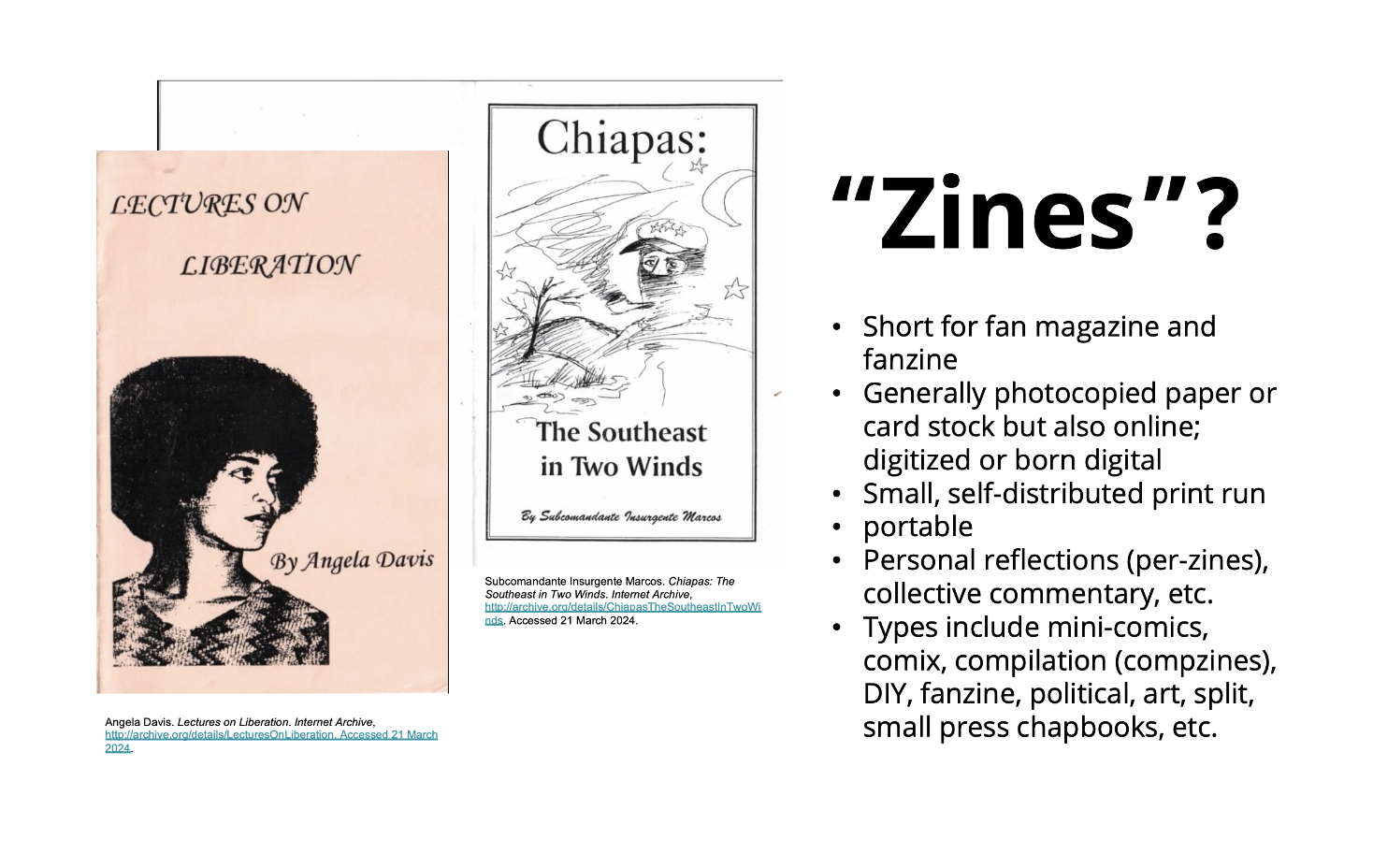
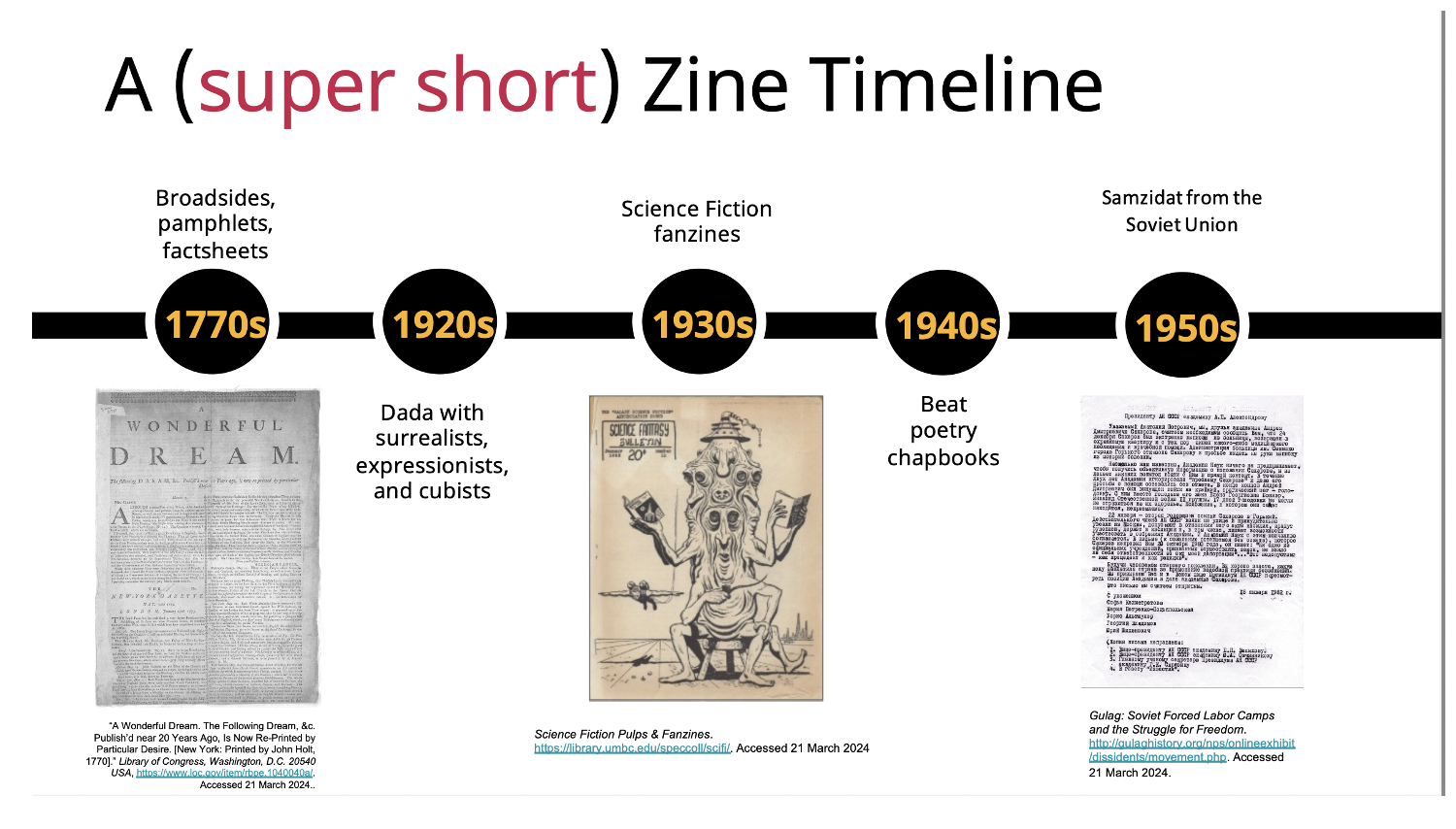
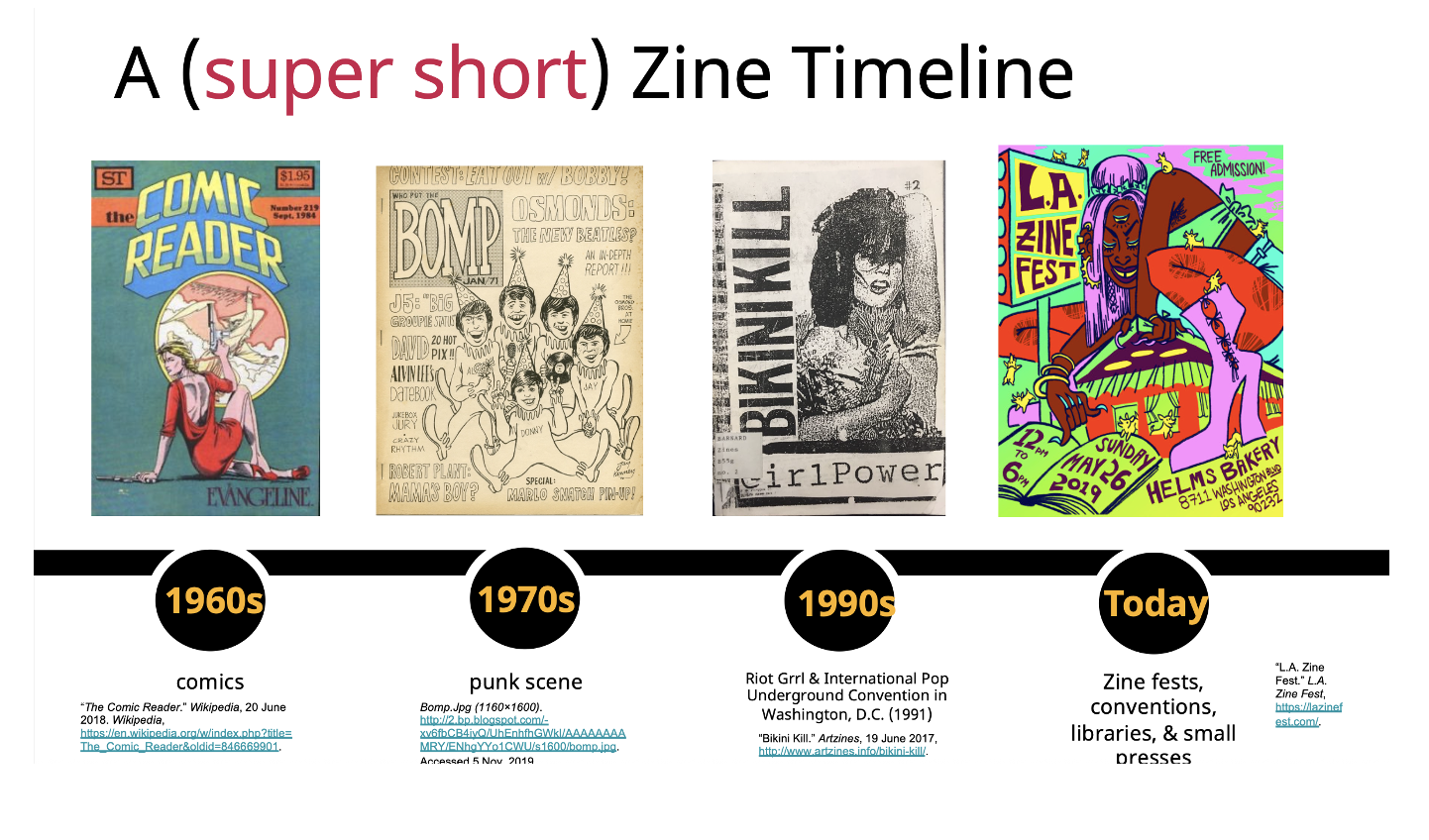
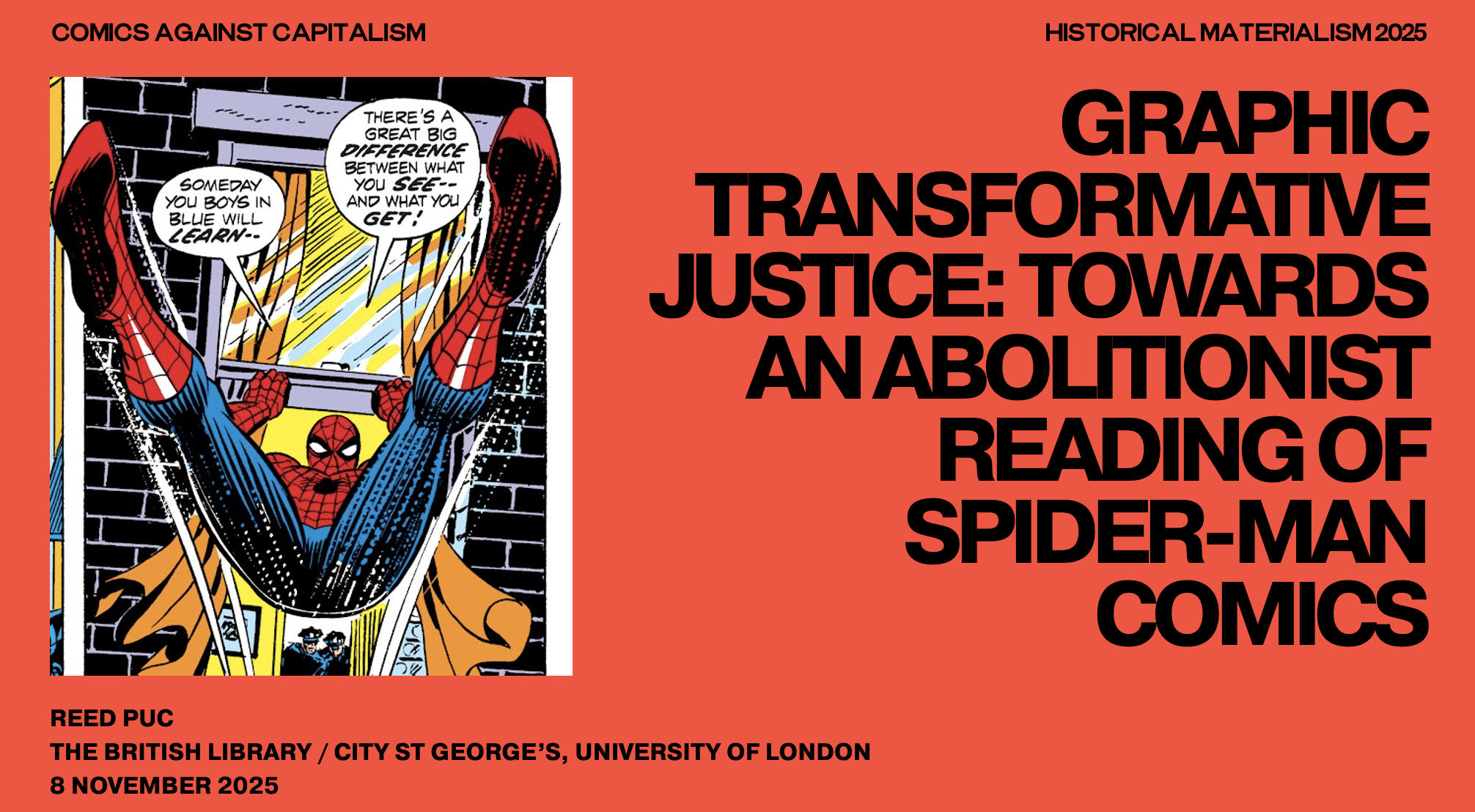
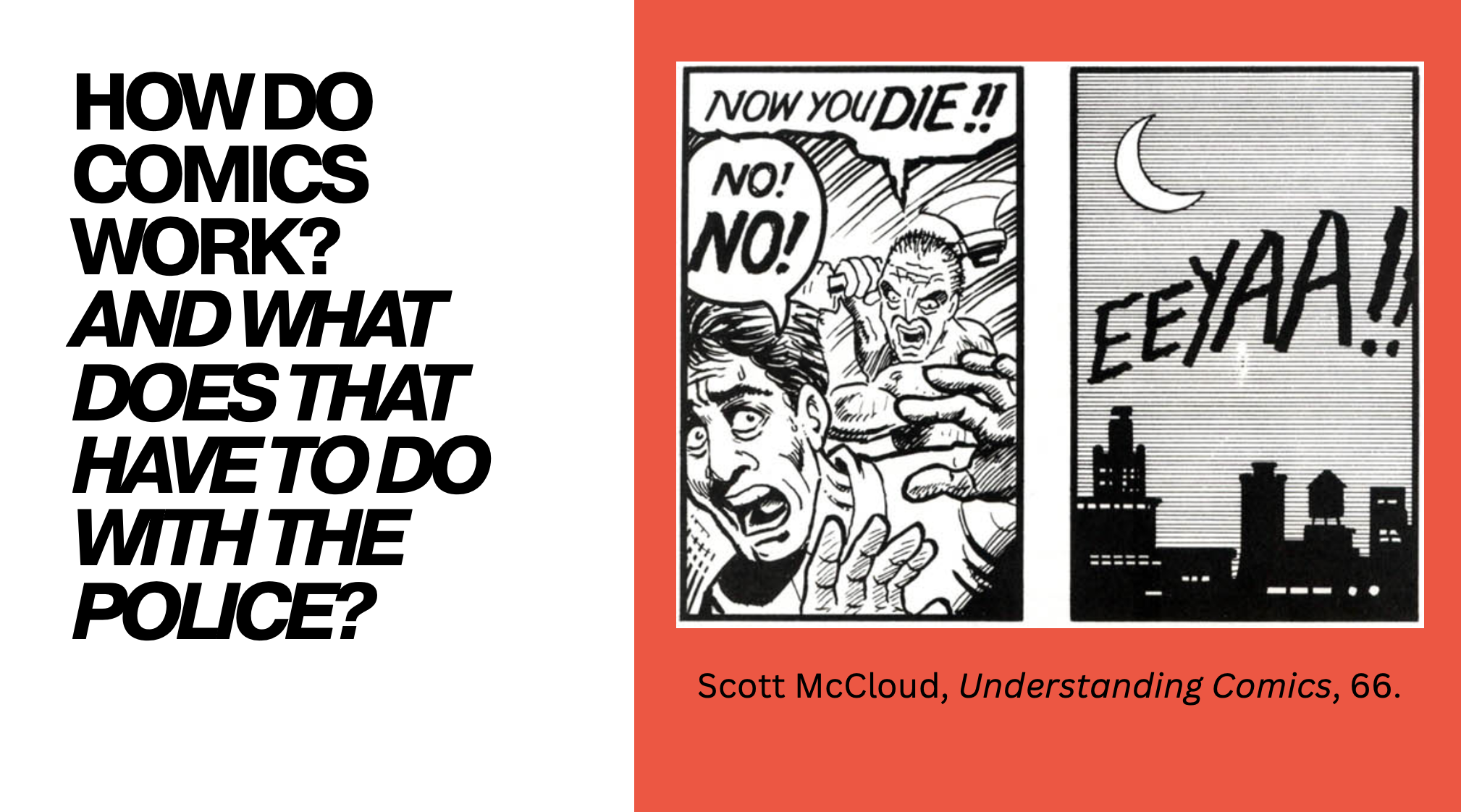
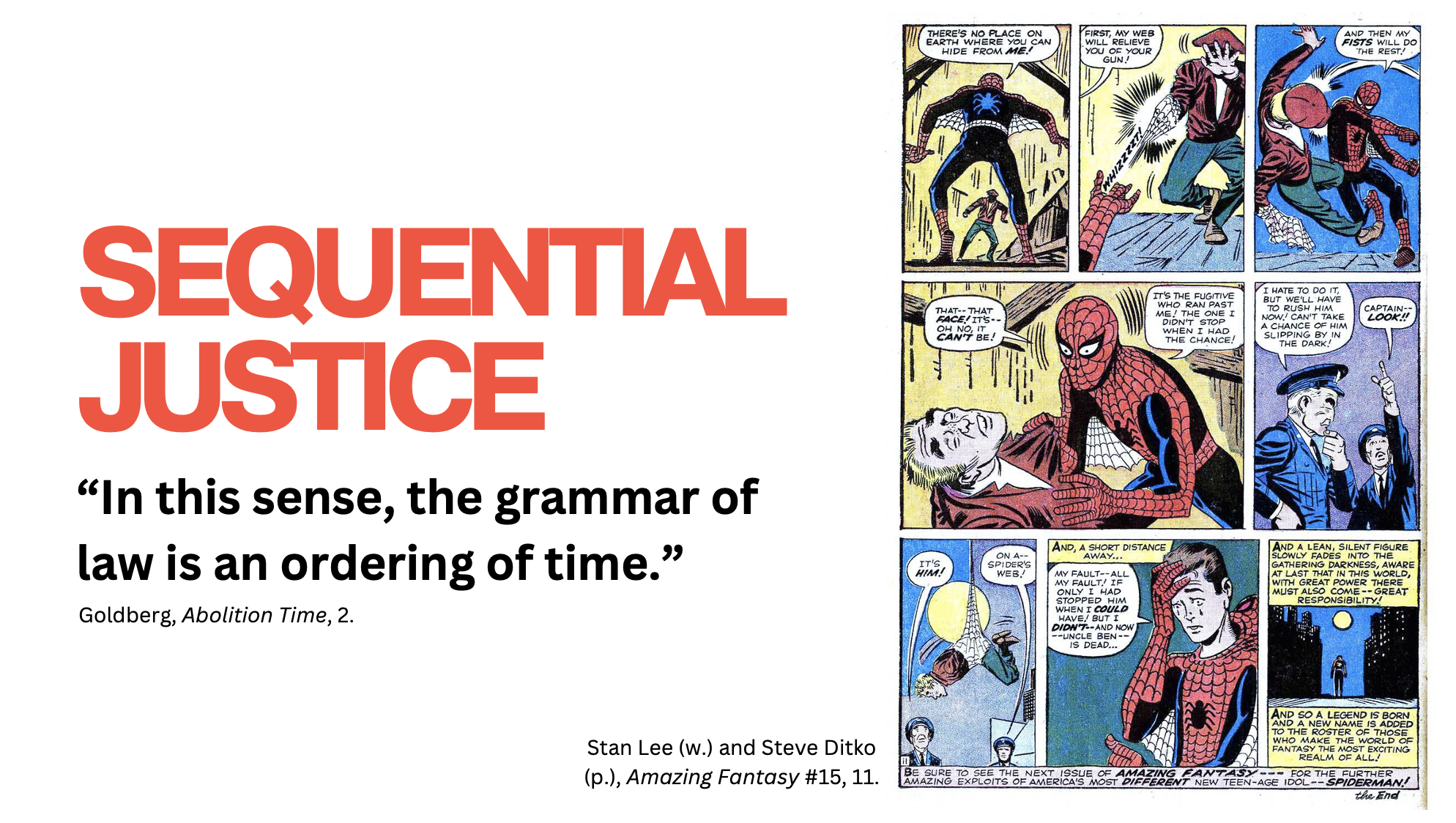
The aim of this panel at Historical Materialism 2025 was to explore just some of the ways comics are useful to a Marxist cultural criticism that is concerned to find out and spread narratives of emancipation. We set out to show that comics are not only products of capitalism, but are often read and created in ways that are against it. We explored how comics are entangled in questions of historical method, cultural ownership, racial supremacy, and the carceral state, and we asked how they enabled us to grapple critically with these issues through their innovative aesthetic forms and modes of production. We began with my own paper, ‘Graphic Grand Narratives,’ which reflected on the way comics invite us to picture dialectical method and the totality of world history; then we turned to Ernesto Priego, whose paper ‘Form Beyond Chronology’ explored the redistribution of cultural ownership through small press comics; and finally Reed Puc presented their paper, ‘Graphic Transformative Justice,’ which developed an abolitionist reading of superhero comics with a specific focus on on Spider-Man. Taken together, the panel aimed to show how comics can induct readers into dialectical practice, forge spaces of collective ownership and political determination, and critique the racial logics that govern our lives under capitalism.
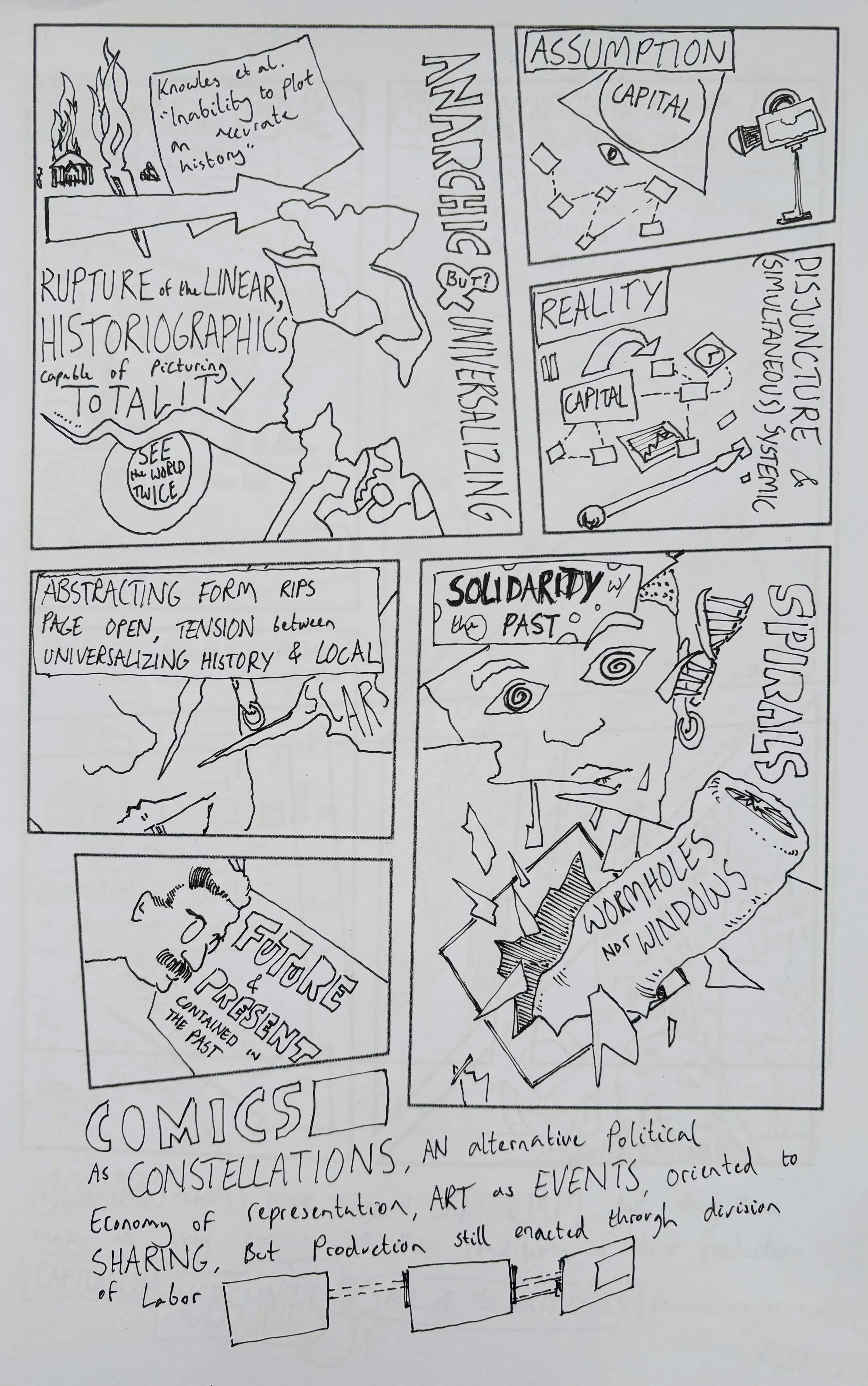
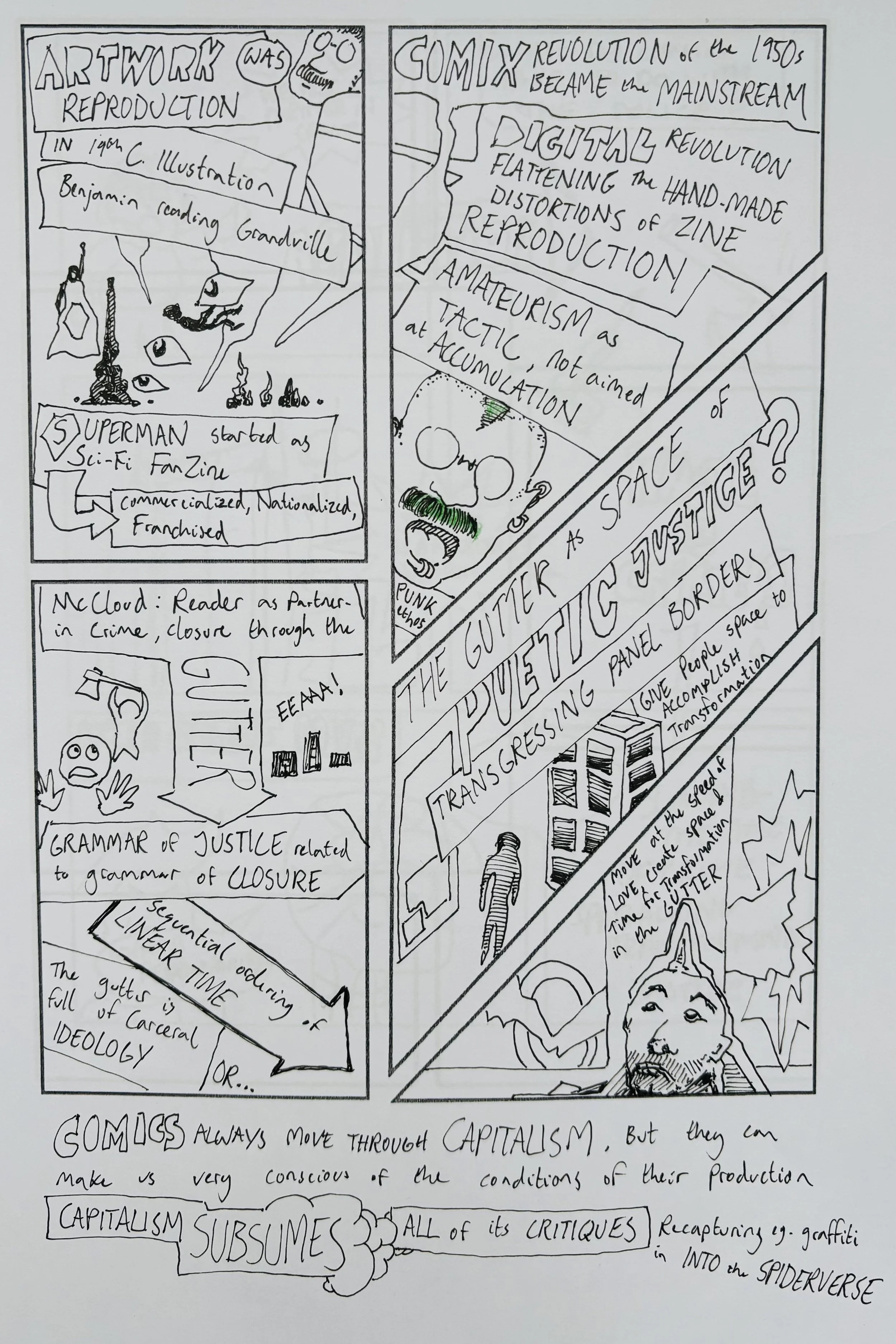
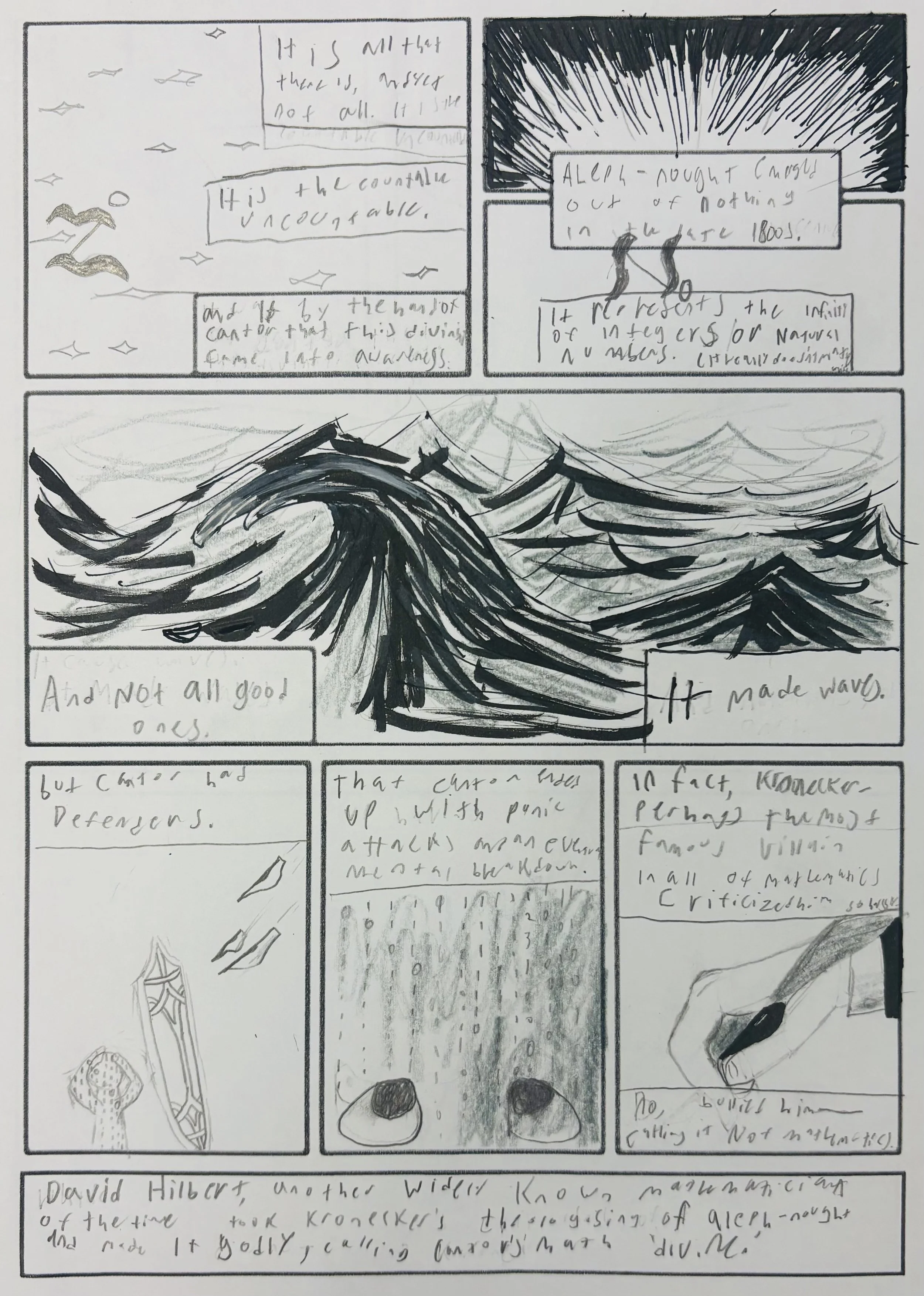
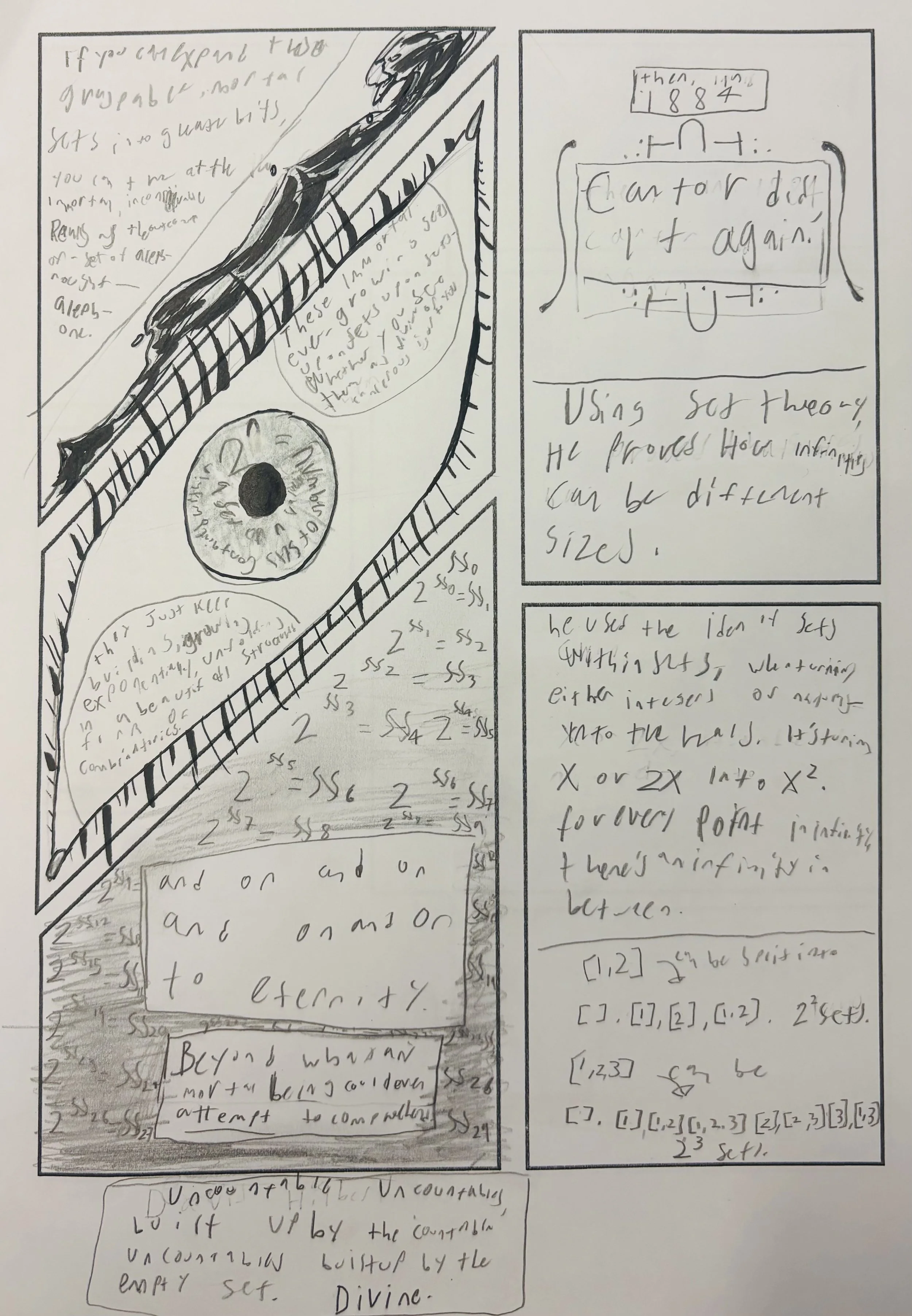
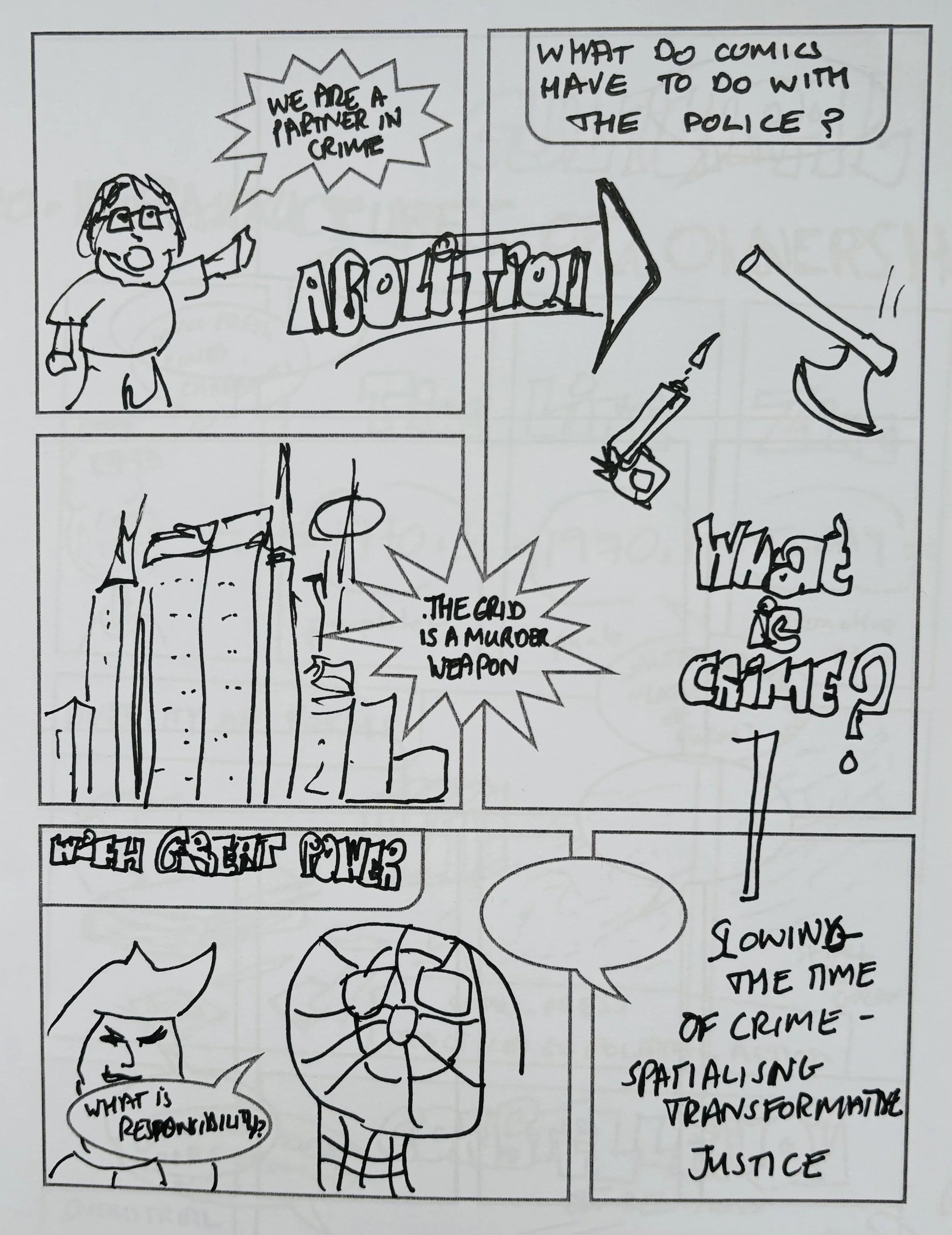
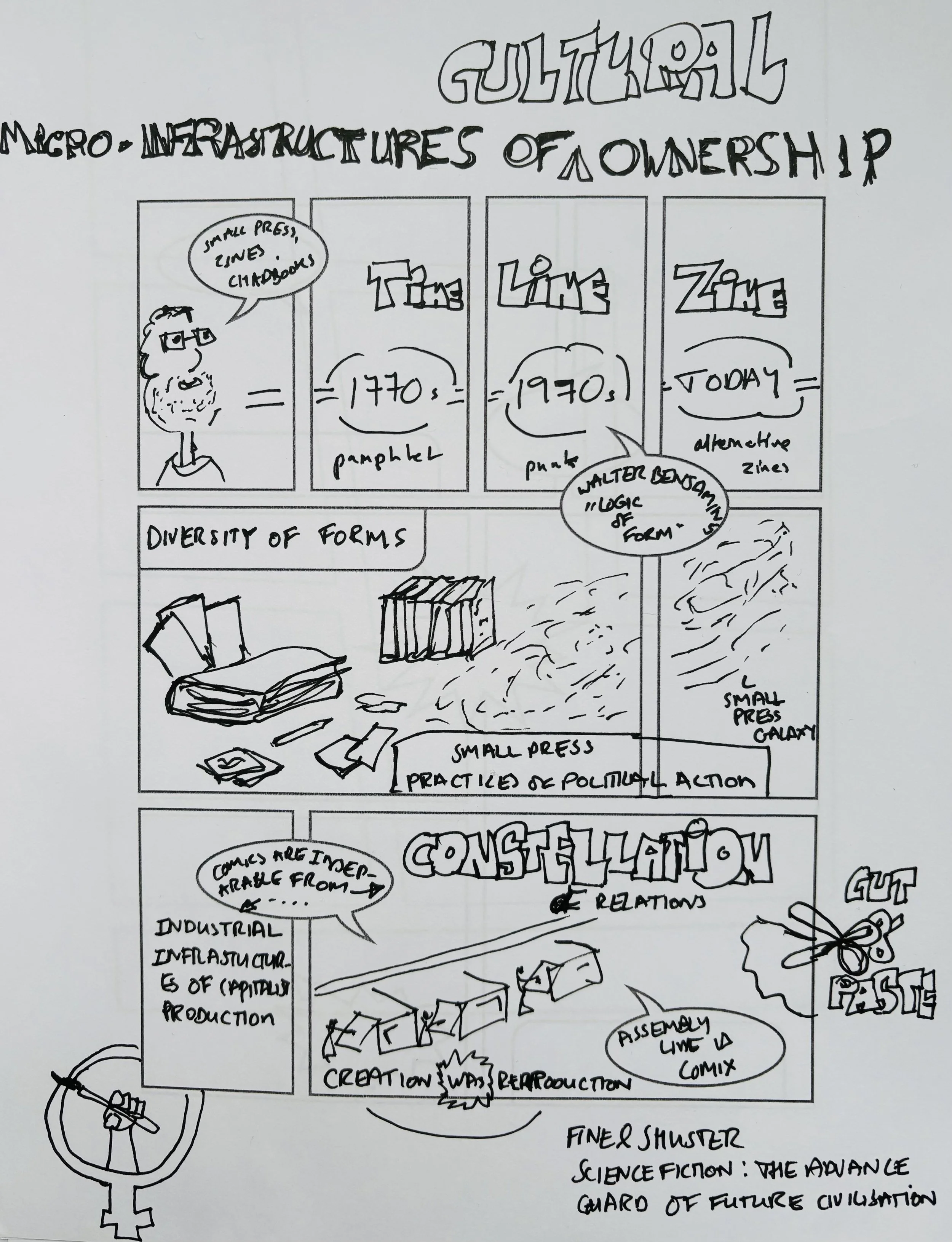
Comics is an accessible and collective medium, well-suited to the communication of political ideas and adept at building communities of practice. In this spirit, we invited participants to collaborate in this session by providing drawing materials and empty comics grids with which they were welcome to make their own comics, either in response to ideas from our panel or from others they’d seen at Historical Materialism. Above are some of the amazing strips created by those who joined us for the panel.